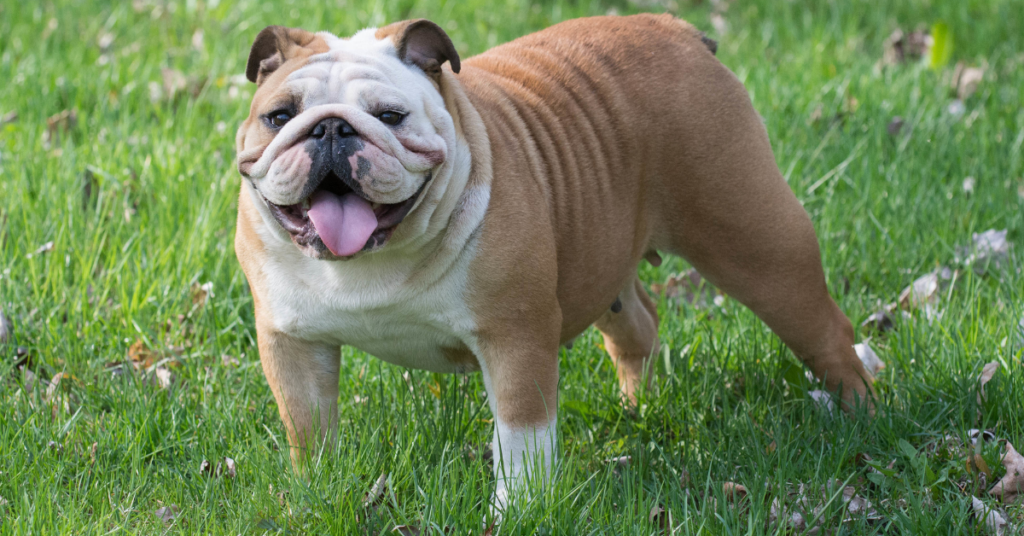
The English Bulldog, with its distinctive wrinkled face and sturdy build, is a beloved and iconic breed known for its gentle temperament and affectionate nature. This comprehensive guide provides detailed information about the English Bulldog, covering all aspects from breed characteristics to its rich history.
Breed Characteristics
- Breed Category: Non-Sporting Group
- Size: Medium
- Coat Length: Short
- Shedding: Moderate
- Hypoallergenic: No
- Grooming Requirements: Low; occasional brushing needed
- Life Span: 8-10 years
- Activity Level: Low to moderate
- Temperament/Personality: Friendly, courageous, and calm
- Intelligence: Moderate
- Trainability: Moderate; benefits from positive reinforcement
- Space Requirement: Moderate; suitable for apartments and homes
- Compatibility with Children & Other Pets: Excellent with proper socialization
- Health Issues: Hip dysplasia, respiratory issues, skin infections, eye problems
- Nutrition Needs: High-quality diet with balanced nutrients
Origin and History
The English Bulldog’s origins trace back to England in the 13th century, where they were initially bred for bull-baiting, a popular sport of the time. This brutal activity required dogs with incredible courage, tenacity, and strength, qualities that English Bulldogs possessed in abundance. Following the ban on bull-baiting in 1835, the breed faced extinction. However, fanciers of the English Bulldog worked to preserve the breed, focusing on its gentler qualities. Over time, the English Bulldog transitioned from a ferocious bull-baiter to a loyal and affectionate companion. Today, English Bulldogs are renowned for their calm demeanor and are cherished family pets.
Appearance and Physical Characteristics
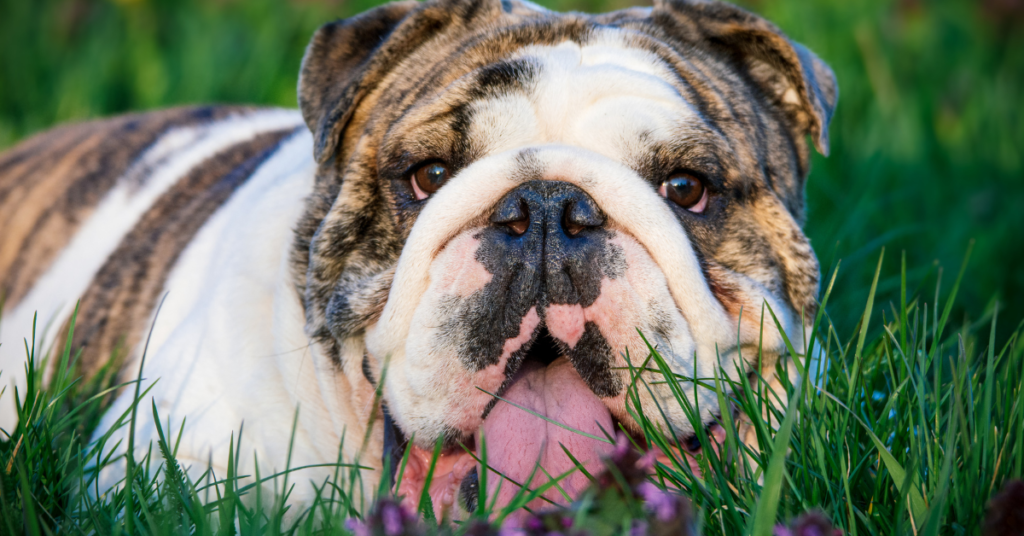
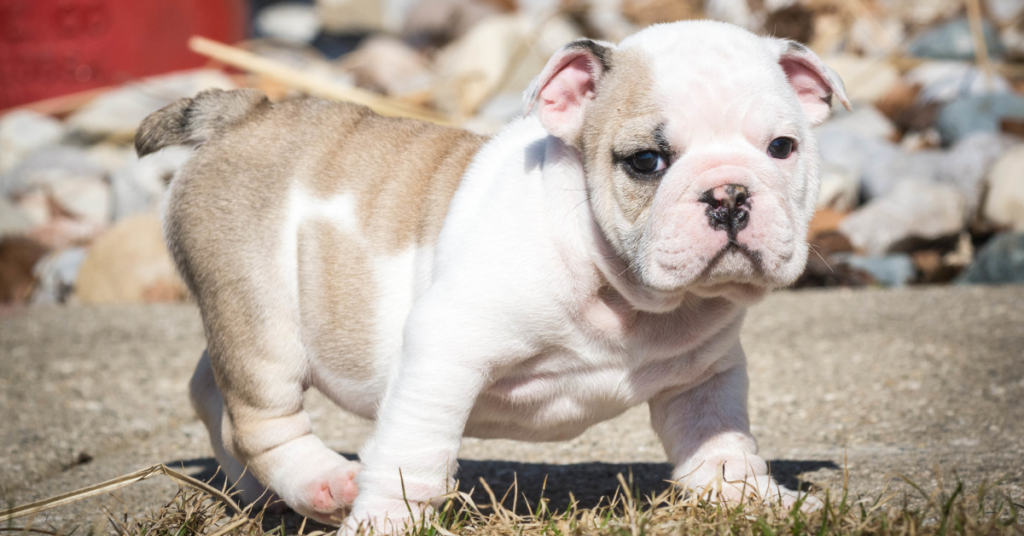
English Bulldogs are medium-sized dogs with a distinctive appearance. They typically weigh between 40 to 50 pounds and stand about 14 to 15 inches tall at the shoulder. English Bulldogs have a robust and muscular build, characterized by their broad shoulders, wide chest, and thick neck. Their short, smooth coat can come in a variety of colors, including brindle, white, red, fawn, and piebald. The breed’s most recognizable feature is its wrinkled face and pushed-in nose, giving it a unique and endearing look. English Bulldogs also have a distinctive underbite and prominent lower jaw.
Temperament and Personality
English Bulldogs are known for their friendly and courageous temperament. They are highly affectionate and form strong bonds with their families. Despite their tough appearance, English Bulldogs are gentle and loving, often described as “sourmug” because of their solemn expression. They are calm and composed, making them excellent companions for both individuals and families. English Bulldogs are generally good with children and other pets, and their patient nature makes them particularly suited to households with young kids. Their loyalty and protective instincts also make them reliable watchdogs.
Intelligence and Trainability
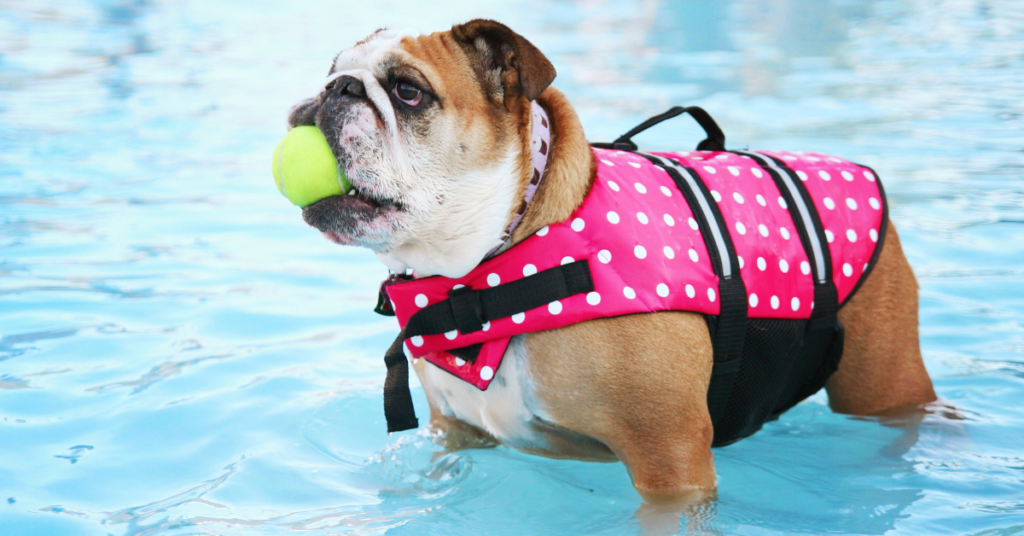
English Bulldogs are moderately intelligent and can be somewhat stubborn, which can make training a bit challenging. However, they respond well to positive reinforcement techniques, such as treats and praise. Consistent and patient training is essential to overcome their occasional stubbornness. Early socialization is crucial to ensure they develop into well-behaved adults. English Bulldogs benefit from short, engaging training sessions that keep their attention and prevent boredom. Despite their independent streak, they are eager to please and enjoy learning new commands and tricks.
Compatibility with Children and Other Pets
With proper socialization, English Bulldogs can be excellent with children and other pets. They are known for their patience and tolerance, making them suitable family pets. English Bulldogs are gentle and protective, often forming strong bonds with children. Their calm and easygoing nature allows them to get along well with other pets, including dogs and cats. However, due to their strong build, they should always be supervised around small children to prevent accidental injuries. Early socialization helps ensure they develop into friendly and well-adjusted companions.
Health and Nutrition
English Bulldogs are prone to several health issues, including hip dysplasia, respiratory problems, skin infections, and eye conditions. Regular veterinary check-ups and a balanced diet are essential for maintaining their health. Their diet should include high-quality dog food with the right balance of protein, fats, and carbohydrates. Portion control is important to prevent obesity, which can exacerbate health problems. English Bulldogs also benefit from supplements like omega-3 fatty acids to maintain healthy skin and joints. Regular cleaning of their facial wrinkles and ears is necessary to prevent infections.
Exercise and Activity Level
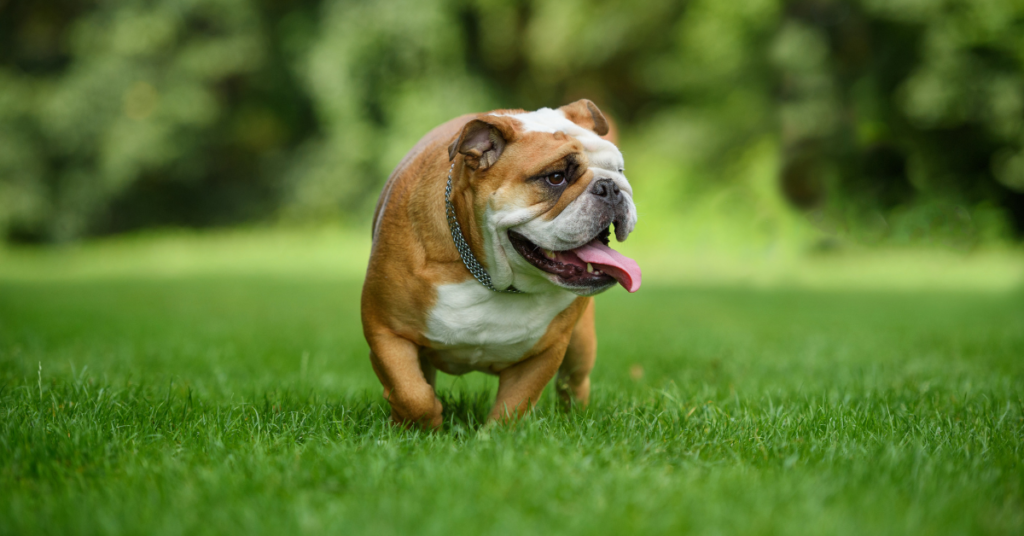
English Bulldogs have low to moderate energy levels and require regular but gentle exercise to stay healthy and happy. Daily walks, playtime, and mental stimulation are essential for their well-being. English Bulldogs enjoy short, leisurely strolls and play sessions but are not suited for intense physical activity due to their brachycephalic (short-nosed) structure. Overexertion, especially in hot weather, should be avoided to prevent respiratory distress. English Bulldogs are content with moderate exercise and appreciate time spent lounging and relaxing with their families.
Grooming Needs
The grooming needs of English Bulldogs are relatively low. Their short coat requires occasional brushing to remove loose hair and maintain its healthy appearance. Regular grooming sessions provide an opportunity to check for any signs of health issues and to bond with your English Bulldog. Routine maintenance such as dental care, ear cleaning, and nail trimming is also important to keep them in good health. Special attention should be given to cleaning their facial wrinkles and skin folds to prevent infections.
Training and Socialization
Early socialization and consistent training are crucial for English Bulldogs. Exposing them to various people, environments, and experiences helps them develop into well-adjusted adults. Training should focus on positive reinforcement techniques, as English Bulldogs respond well to rewards and praise. Consistent training helps establish a strong bond between the English English Bulldog and its owner, promoting mutual respect and understanding. Socialization ensures that English Bulldogs are friendly and confident in different situations, reducing the likelihood of behavioral issues.
Famous English Bulldogs
English Bulldogs have become cultural icons and are often associated with determination and resilience. Their distinctive appearance and endearing personality have made them popular in various roles, from mascots to film stars. Notably, the University of Georgia’s mascot, Uga, is a English Bulldog and has become a symbol of school spirit. English Bulldogs have also appeared in numerous films, television shows, and advertisements, further cementing their status as beloved companions.
Conclusion
The English Bulldog is a friendly, courageous, and affectionate breed that makes an excellent companion for families and individuals. With their distinctive appearance, strong bonds with their owners, and adaptability to various living situations, English Bulldogs thrive in homes where they receive love, consistent training, and attention. Proper care, socialization, and engagement ensure that a English Bulldog can be a cherished and dependable member of the family.