The Bullmastiff is a large and powerful breed known for its protective instincts and gentle disposition. This comprehensive guide provides detailed information about the Bullmastiff, covering all aspects from breed characteristics to its rich history.
*Disclaimer: This Post May Contain Affiliate Links. This Means That I Receive A Small Commission At No Extra Cost To You Should You Click Through And Make A Purchase. Learn More On My Policy Page
Breed Characteristics
- Breed Category: Working Group
- Size: Large
- Coat Length: Short
- Shedding: Moderate
- Hypoallergenic: No
- Grooming Requirements: Low; occasional brushing needed
- Life Span: 7-10 years
- Activity Level: Moderate
- Temperament/Personality: Loyal, protective, calm
- Intelligence: High
- Trainability: Moderate; benefits from firm and consistent training
- Space Requirement: Large; suitable for homes with yards
- Compatibility with Children & Other Pets: Good with proper socialization
- Health Issues: Hip dysplasia, elbow dysplasia, heart issues, bloat
- Nutrition Needs: High-quality diet with balanced nutrients
Origin and History
The Bullmastiff was developed in England during the 19th century by gamekeepers to guard estates and protect against poachers. This breed is a cross between the English Mastiff and the Bulldog, combining the strength and size of the Mastiff with the agility and tenacity of the Bulldog. The Bullmastiff’s ability to track and pin intruders without mauling them made it an ideal guardian. Over time, the breed has become a popular family companion due to its loyal and protective nature.
Appearance and Physical Characteristics
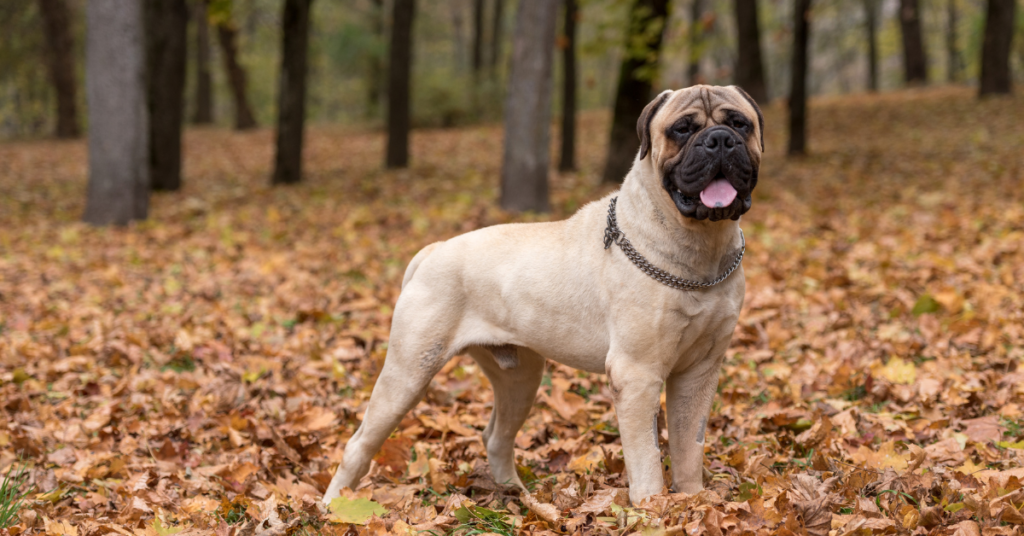
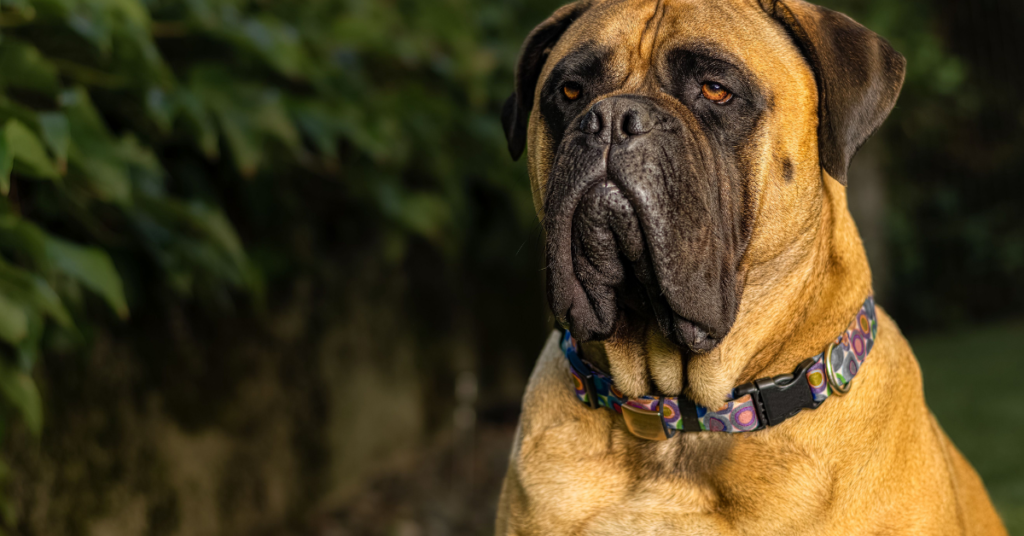
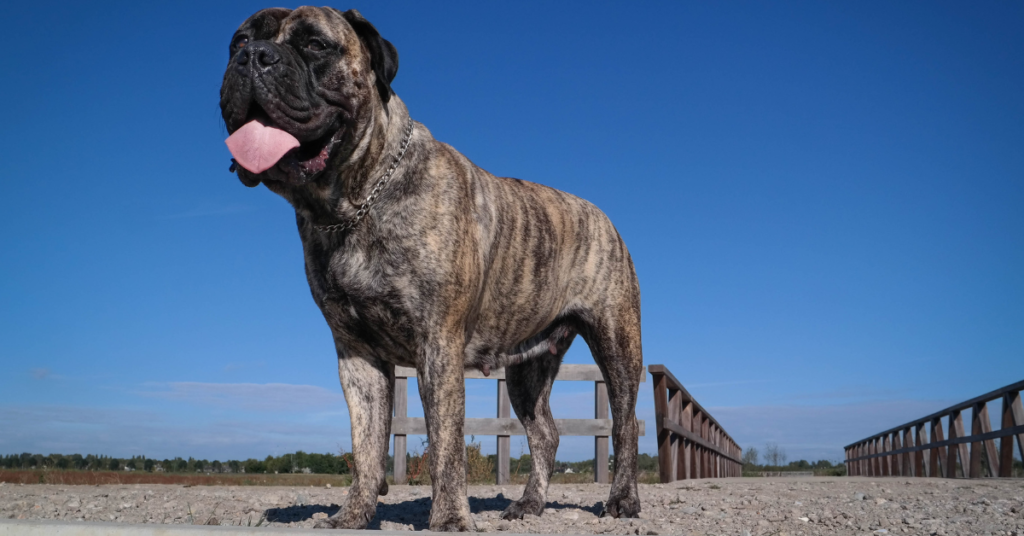
Bullmastiffs are large, muscular dogs with a powerful build. They typically weigh between 100 to 130 pounds and stand 24 to 27 inches tall at the shoulder. Their short, dense coat is usually fawn, red, or brindle, often with a black mask. The breed’s broad head, strong jaws, and alert expression give it a formidable appearance, while its balanced proportions and solid frame reflect strength and agility.
Temperament and Personality
Bullmastiffs are known for their calm and gentle temperament. They are highly loyal and protective of their families, making them excellent guard dogs. Despite their size and strength, they are generally affectionate and well-mannered with their loved ones. Bullmastiffs are typically quiet and composed, but they can be stubborn and require consistent training and socialization from an early age. Their natural guarding instincts mean they are wary of strangers but rarely aggressive without provocation.
Intelligence and Trainability
The Bullmastiff is an intelligent breed that responds well to firm and consistent training. They require a confident handler who can establish leadership and provide clear boundaries. Positive reinforcement techniques, such as treats and praise, are effective in training Bullmastiffs. Early socialization is crucial to ensure they develop into well-behaved adults. Their protective nature means they need to be exposed to various people and environments to prevent over-guarding behaviors.
Compatibility with Children and Other Pets
With proper socialization, Bullmastiffs can be good with children and other pets. They are known for their patience and tolerance with children, making them suitable family pets. However, due to their large size, they should always be supervised around small children to prevent accidental injuries. Bullmastiffs can get along well with other dogs if introduced properly but may exhibit dominant behavior, so early socialization is important.
Health and Nutrition
Bullmastiffs are generally healthy but can be prone to certain health issues such as hip dysplasia, elbow dysplasia, heart problems, and bloat. Regular veterinary check-ups and a balanced diet are essential for maintaining their health. Their diet should include high-quality dog food with the right balance of protein, fats, and carbohydrates. Portion control is important to prevent obesity, which can lead to additional health problems. Supplements like glucosamine can help maintain joint health.
Exercise and Activity Level
Bullmastiffs have moderate energy levels and require regular exercise to stay healthy and happy. Daily walks, playtime, and mental stimulation help keep them physically and mentally fit. While they enjoy moderate activity, they are not overly energetic and are content with a few good walks and some playtime each day. Bullmastiffs enjoy activities that allow them to use their natural guarding instincts, such as obedience training and protection work.
Grooming Needs
The grooming needs of Bullmastiffs are relatively low. Their short coat requires occasional brushing to remove loose hair and maintain its healthy appearance. Regular grooming sessions provide an opportunity to check for any signs of health issues and to bond with your Bullmastiff. Routine maintenance such as dental care, ear cleaning, and nail trimming is also important to keep them in good health.
Training and Socialization
Early socialization and consistent training are crucial for Bullmastiffs. Exposing them to various people, environments, and experiences helps them develop into well-adjusted adults. Training should focus on positive reinforcement techniques, as Bullmastiffs respond well to rewards and praise. Consistent training helps establish a strong bond between the Bullmastiff and its owner, promoting mutual respect and understanding.
Famous Bullmastiffs
Bullmastiffs have gained popularity in various roles, from guard dogs to beloved family companions. Their imposing appearance and loyal nature have made them recognizable and admired in many circles. Notably, Bullmastiffs have been featured in films and television, further cementing their status as a distinguished and iconic breed.
Conclusion
The Bullmastiff is a loyal, protective, and gentle breed that makes an excellent companion for families and individuals. With their impressive appearance, strong bonds with their owners, and adaptability to various living situations, Bullmastiffs thrive in homes where they receive love, consistent training, and attention. Proper care, socialization, and engagement ensure that a Bullmastiff can be a cherished and dependable member of the family.