The Dutch Shepherd is a versatile and intelligent breed known for its work ethic and loyalty. This comprehensive guide provides detailed information about the Dutch Shepherd, covering all aspects from breed characteristics to its rich history.
*Disclaimer: This Post May Contain Affiliate Links. This Means That I Receive A Small Commission At No Extra Cost To You Should You Click Through And Make A Purchase. Learn More On My Policy Page
Breed Characteristics
- Breed Category: Herding Group
- Size: Medium
- Coat Length: Short to medium
- Shedding: Moderate
- Hypoallergenic: No
- Grooming Requirements: Low; regular brushing needed
- Life Span: 11-14 years
- Activity Level: High
- Temperament/Personality: Intelligent, loyal, hardworking
- Intelligence: High
- Trainability: High; excels with consistent training
- Space Requirement: Medium; suitable for homes with yards
- Compatibility with Children & Other Pets: Good with proper socialization
- Health Issues: Generally healthy; occasional hip dysplasia
- Nutrition Needs: High-quality diet with balanced nutrients
Origin and History
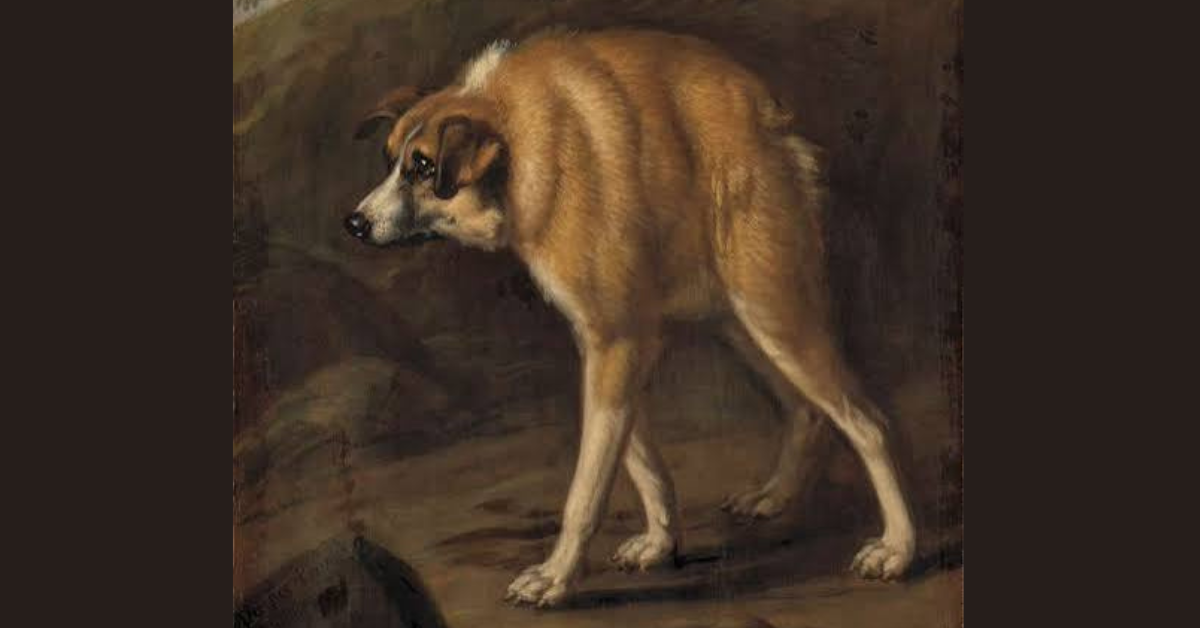
The Dutch Shepherd originated in the Netherlands and has been used as a working dog for centuries. Initially developed for herding sheep and cattle, the breed is known for its versatility and adaptability in various roles, including police work, search and rescue, and obedience competitions. The Dutch Shepherd is valued for its intelligence, loyalty, and ability to work alongside humans.
Appearance and Physical Characteristics
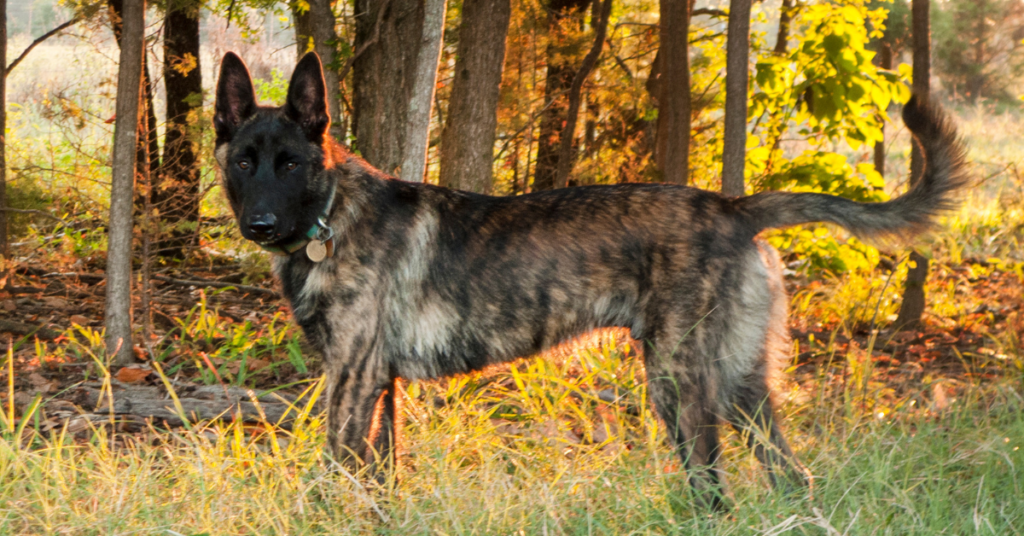
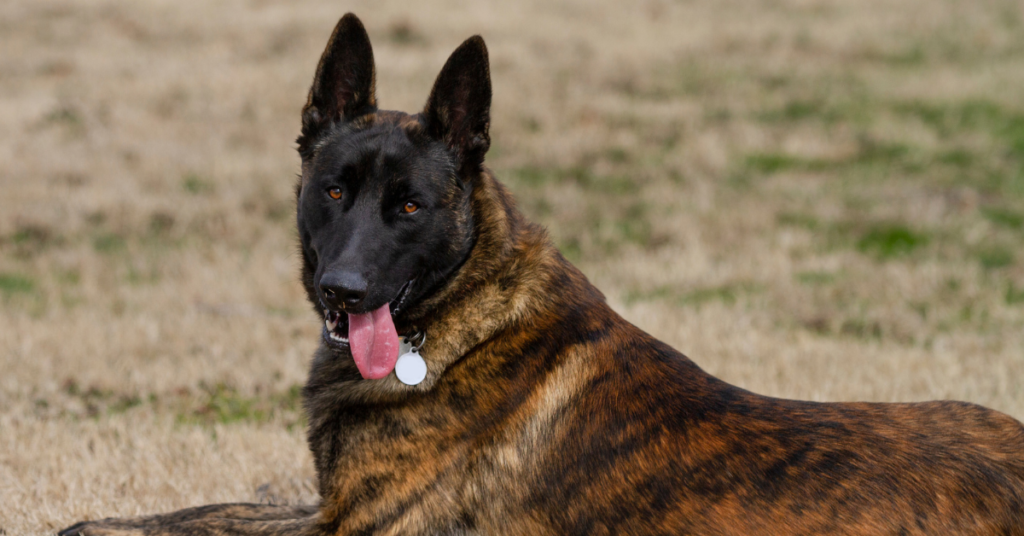
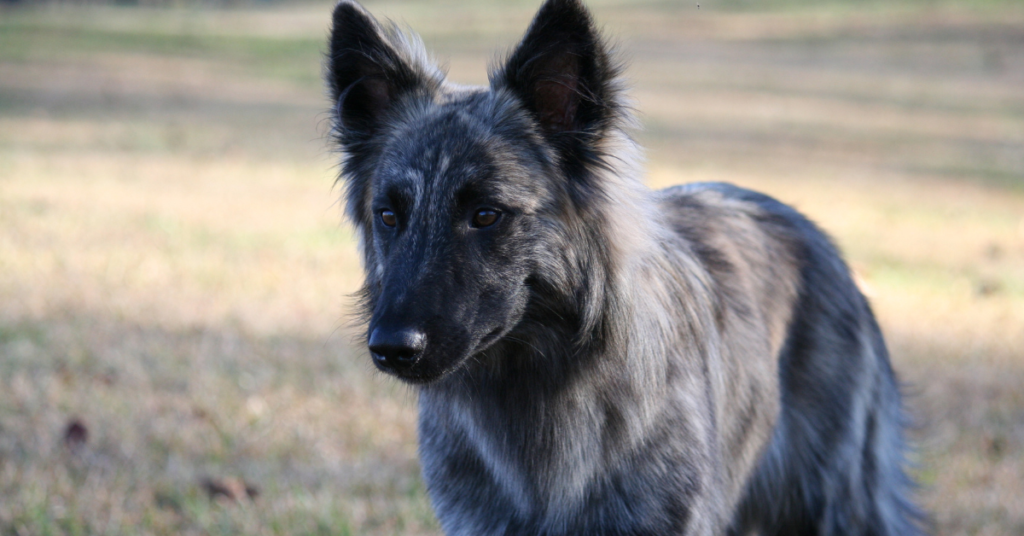
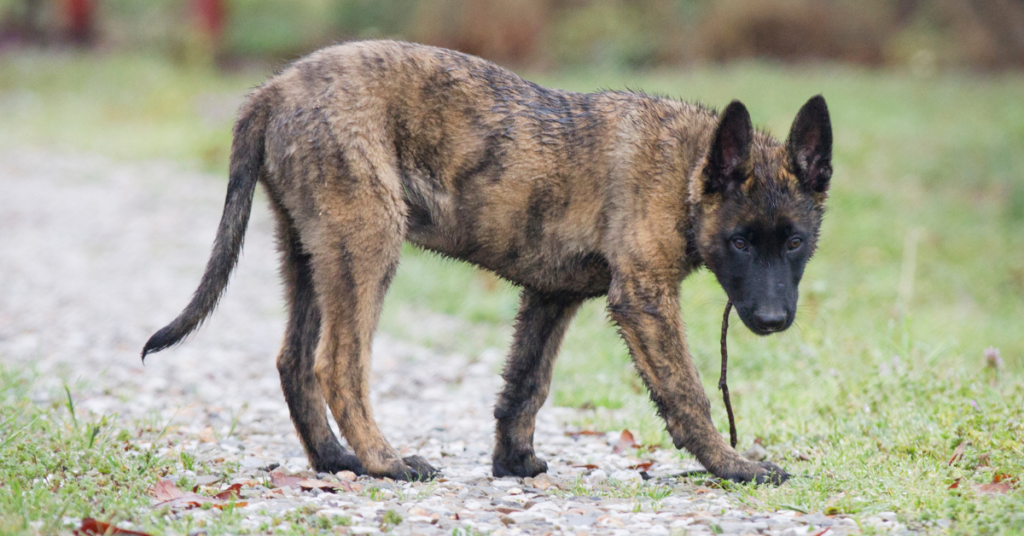
Dutch Shepherds are medium-sized dogs with a well-proportioned, athletic build. They typically weigh between 50 to 70 pounds and stand about 21 to 25 inches tall at the shoulder. The breed has a short to medium-length coat that can be brindle, gold, or silver. Dutch Shepherds have a strong, muscular build with a keen, alert expression.
Temperament and Personality
Dutch Shepherds are known for their intelligence, loyalty, and strong work ethic. They are highly devoted to their families and thrive in environments where they have a job to do. Dutch Shepherds are energetic and enjoy participating in various activities and dog sports. They are also affectionate with their loved ones and make excellent family companions.
Intelligence and Trainability
Dutch Shepherds are highly intelligent and eager to please, making them highly trainable. They excel in training and respond well to positive reinforcement techniques. Their high energy levels and work drive make them suitable for advanced training and various canine sports, including obedience, agility, and protection work.
Compatibility with Children and Other Pets
With proper socialization, Dutch Shepherds can be good with children and other pets. They are naturally protective and may be wary of strangers, so early exposure to various people and situations is important. Their herding instincts may lead them to try and herd small children and pets, which should be managed through training.
Health and Nutrition
Dutch Shepherds are generally healthy but can be prone to certain health issues like hip dysplasia. Regular veterinary check-ups and a balanced diet are crucial for their well-being. Their diet should include high-quality dog food with the right balance of protein, fats, and carbohydrates. Supplements like glucosamine can help maintain joint health.
Exercise and Activity Level
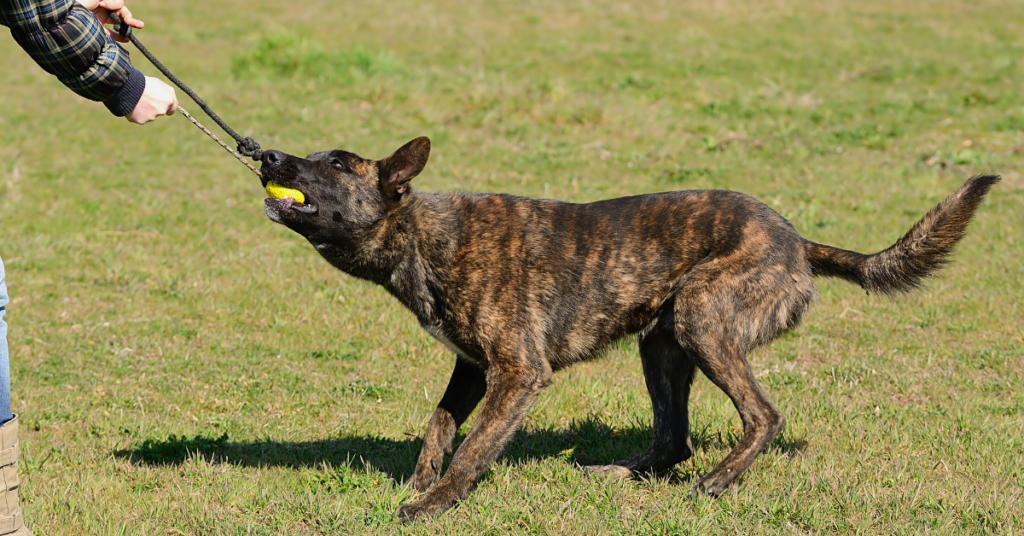
Dutch Shepherds have high energy levels and require regular exercise to stay healthy and happy. Daily walks, playtime, and mental stimulation are essential to meet their exercise needs. They excel in activities like obedience, agility, and herding trials, which can help channel their energy and intelligence positively.
Grooming Needs
The grooming needs of Dutch Shepherds are low. Their short to medium-length coat requires regular brushing to remove loose hair and keep their coat healthy. Occasional baths and routine maintenance like dental care, ear cleaning, and nail trimming are also important parts of their grooming routine.
Training and Socialization
Early socialization and consistent training are crucial for Dutch Shepherds. They need to be exposed to different people, environments, and experiences to develop into well-adjusted adults. Training should focus on positive reinforcement techniques, and they thrive in environments where they are given tasks and challenges.
Famous Dutch Shepherds
Dutch Shepherds have gained recognition for their roles in police work, search and rescue operations, and competitive dog sports. Their versatility and intelligence have earned them accolades in various fields. Notably, Dutch Shepherds are often used by law enforcement agencies and in military roles.
Conclusion
The Dutch Shepherd is a loyal, intelligent, and hardworking breed that makes an excellent companion for active families and individuals. With proper training, socialization, and care, a Dutch Shepherd can be a loyal and protective member of the family.