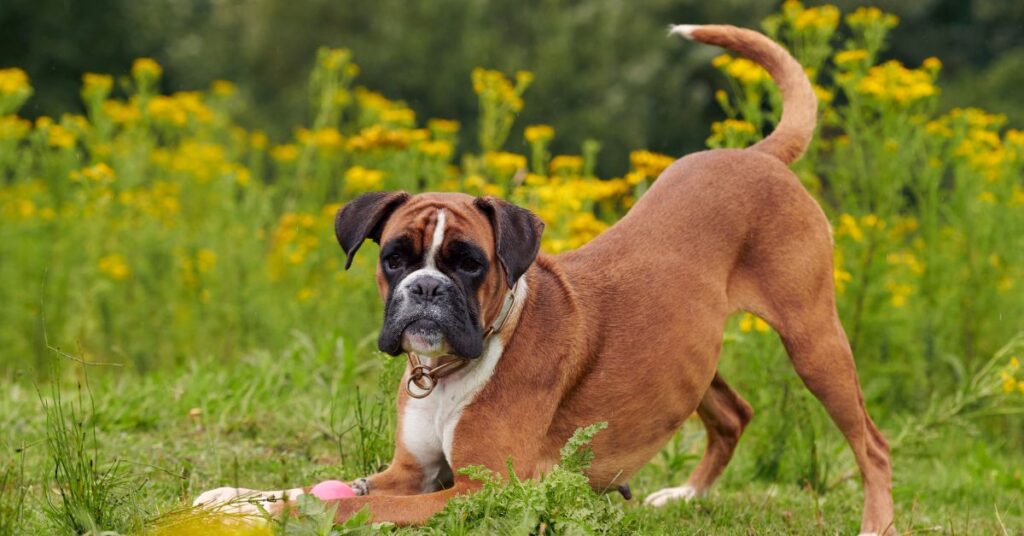
The Boxer is a dynamic and affectionate breed known for its playful nature and boundless energy. This comprehensive guide offers an in-depth look at the Boxer, from its unique characteristics to its rich history.
*Disclaimer: This Post May Contain Affiliate Links. This Means That I Receive A Small Commission At No Extra Cost To You Should You Click Through And Make A Purchase. Learn More On My Policy Page
Breed Characteristics
Breed Category: Working Group
Size: Medium to large
Coat Length: Short
Shedding: Moderate
Hypoallergenic: No
Grooming Requirements: Low; occasional brushing needed
Life Span: 10-12 years
Activity Level: High
Temperament/Personality: Energetic, friendly, protective
Intelligence: High
Trainability: Moderate; responds well to consistent, positive training
Space Requirement: Moderate; suitable for homes with yards
Compatibility with Children & Other Pets: Excellent with proper socialization
Health Issues: Hip dysplasia, heart conditions, certain cancers
Nutrition Needs: High-quality diet with balanced nutrients

Origin and History
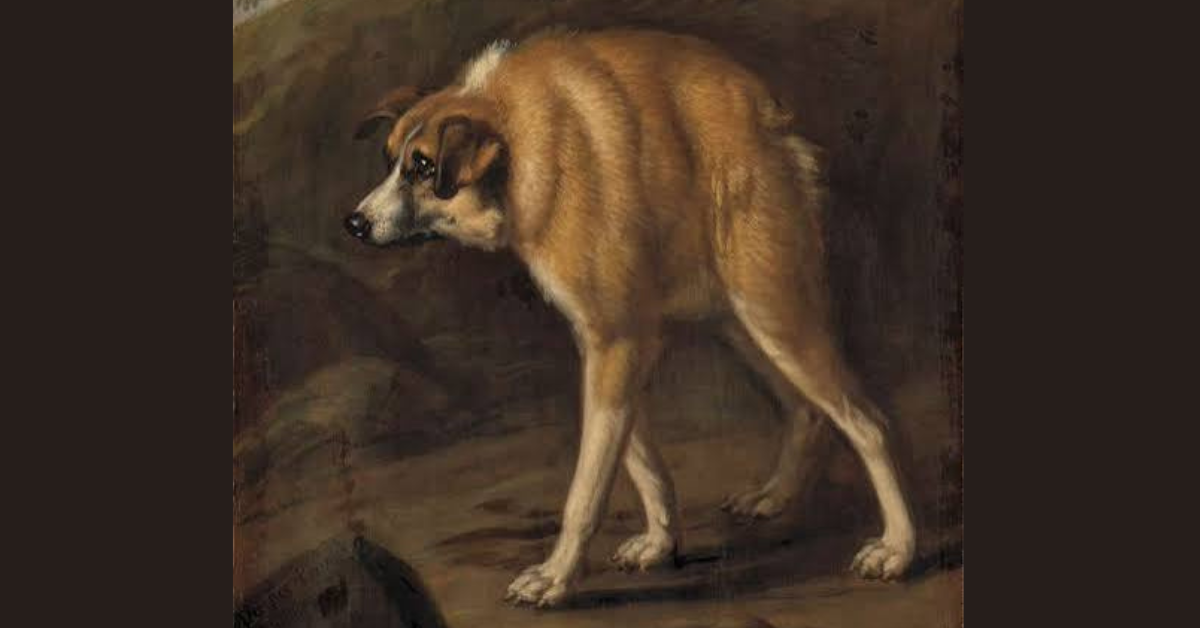
The Boxer originated in Germany and is a descendant of the Bullenbeisser, a breed used for hunting large game. The breed’s development focused on its strength and agility, which were essential for its original roles as a hunting dog and guard dog. Over time, the Boxer evolved into a versatile working and companion dog. Known for its playful nature and strong protective instincts, the Boxer gained popularity in various roles, including police work and as a family pet.
Appearance and Physical Characteristics
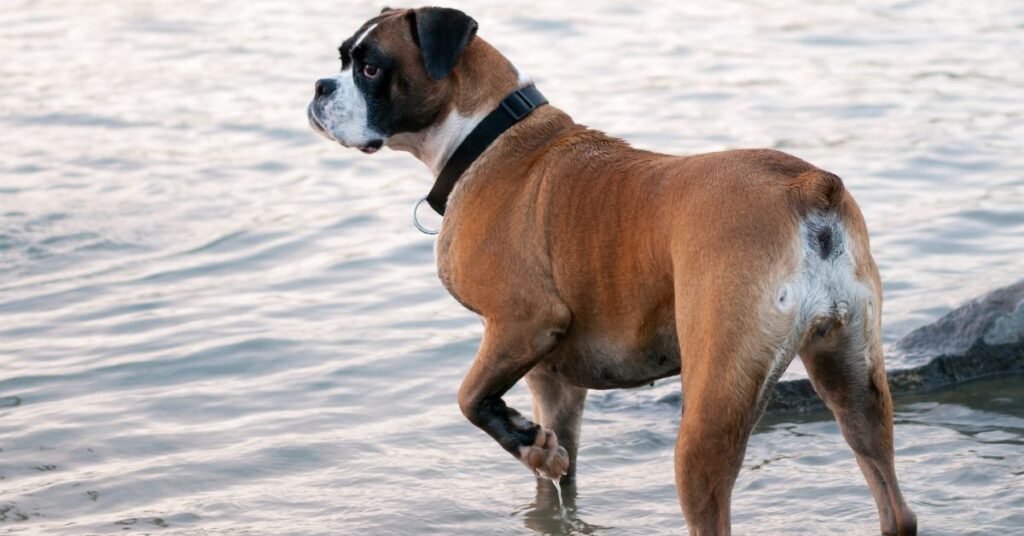
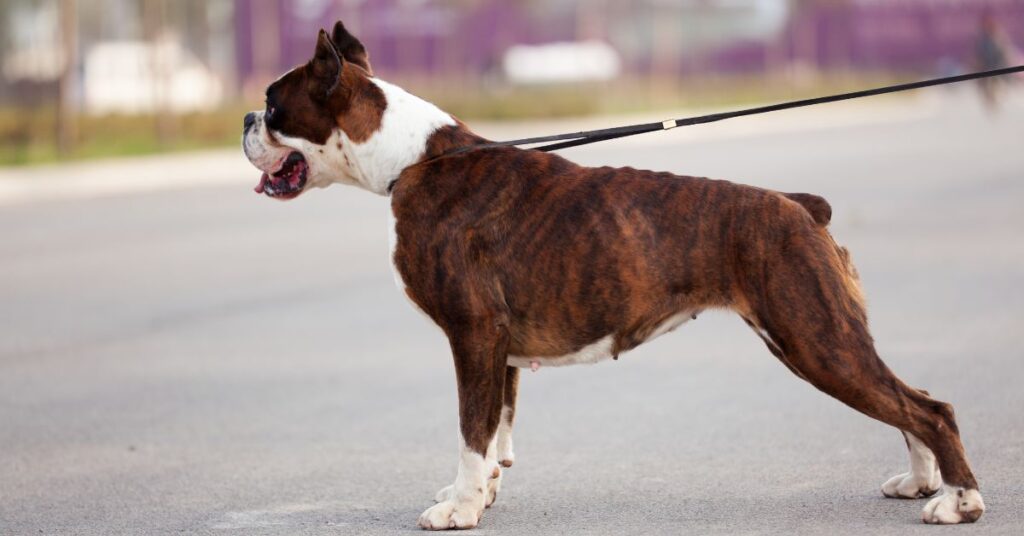
The Boxer is a muscular, medium to large dog with a distinctively athletic build. Males typically weigh between 65 to 80 pounds, while females weigh between 50 to 65 pounds. They stand about 21.5 to 25 inches tall at the shoulder. The breed’s short coat lies close to the body and comes in colors such as brindle, fawn, and white. Boxers have a distinctive square muzzle, a strong jaw, and expressive, dark eyes that give them their characteristic alert and energetic appearance.
Temperament and Personality
Boxers are known for their friendly and energetic personality. They are highly playful, affectionate, and loyal to their families. Boxers are great with children and make excellent family pets due to their boundless energy and protective nature. They are also known for their intelligence and curiosity, which can sometimes lead to a bit of mischief. Their high energy levels make them well-suited for active families who can provide ample exercise and mental stimulation.
Intelligence and Trainability
The Boxer is an intelligent breed with a strong desire to please, but it can sometimes exhibit a stubborn streak. Training should be consistent and positive, using rewards and praise to encourage desired behaviors. Boxers excel in various dog sports, including obedience and agility, and their intelligence allows them to learn new commands and tricks quickly. Early socialization and training are crucial to manage their energy and ensure they develop into well-behaved adults.
Compatibility with Children and Other Pets
Boxers are known for their affectionate nature and generally get along well with children and other pets. They are playful and enjoy engaging in activities with their family members. Proper socialization from a young age helps Boxers interact well with other animals and people. They have a protective instinct and will guard their family members, making them excellent watchdogs.
Health and Nutrition
Boxers are generally healthy, but they are prone to certain health issues such as hip dysplasia, heart conditions, and certain cancers. Regular veterinary check-ups are essential to monitor their health. A balanced, high-quality diet is important for maintaining their energy levels and overall well-being. The diet should be rich in protein and include the right balance of fats and carbohydrates. Regular exercise and a healthy diet can help manage their weight and keep them in good condition.
Exercise and Activity Level
The Boxer has high energy levels and requires regular exercise to stay healthy and happy. Daily walks, playtime, and opportunities to run are essential for meeting their exercise needs. Boxers excel in activities that allow them to use their energy, such as running, fetch, and agility training. Mental stimulation is also important, as it helps keep them engaged and prevents boredom.
Grooming Needs
The grooming needs of Boxers are relatively low due to their short coat. Regular brushing helps to remove loose hair and maintain a healthy coat. Occasional baths are sufficient to keep them clean. Routine care should include dental hygiene, ear cleaning, and nail trimming. Boxers do shed, but their short coat makes grooming relatively straightforward.
Training and Socialization
Early socialization and consistent training are vital for the Boxer. Exposing them to various people, environments, and experiences helps them become well-adjusted adults. Training should focus on positive reinforcement techniques, as Boxers respond well to rewards and praise. Engaging in various dog sports and activities can help manage their energy and keep them mentally stimulated.

Famous Boxers
Boxers have gained recognition in various fields, including film and television, where their distinctive appearance and energetic personality have been showcased. The breed’s versatility and intelligence have also made them popular in roles such as police work and search and rescue. Boxers are celebrated for their loyalty and have been featured in numerous media and popular culture references.
Conclusion
The Boxer is a lively, intelligent, and affectionate breed that makes an excellent companion for active families. With their playful nature, strong protective instincts, and high energy levels, Boxers thrive in environments where they receive ample exercise, mental stimulation, and love. Proper training, socialization, and care ensure that a Boxer can be a joyful and loyal member of the family.