
The Chesapeake Bay Retriever is a strong and intelligent breed known for its excellent hunting skills and love of water. This comprehensive guide provides detailed information about the Chesapeake Bay Retriever, covering all aspects from breed characteristics to its rich history.
*Disclaimer: This Post May Contain Affiliate Links. This Means That I Receive A Small Commission At No Extra Cost To You Should You Click Through And Make A Purchase. Learn More On My Policy Page
Breed Characteristics
- Breed Category: Sporting Group
- Size: Medium to large
- Coat Length: Short
- Shedding: Moderate
- Hypoallergenic: No
- Grooming Requirements: Low; occasional brushing needed
- Life Span: 10-13 years
- Activity Level: High
- Temperament/Personality: Loyal, intelligent, alert
- Intelligence: High
- Trainability: High; responds well to consistent training
- Space Requirement: Medium to large; suitable for homes with yards
- Compatibility with Children & Other Pets: Good with children and other pets
- Health Issues: Hip dysplasia, progressive retinal atrophy
- Nutrition Needs: High-quality diet with balanced nutrients
Origin and History
The Chesapeake Bay Retriever originated in the United States in the early 19th century. The breed was developed by crossing Newfoundland dogs with local retrievers to create a dog capable of retrieving waterfowl from the icy waters of the Chesapeake Bay. Chesapeake Bay Retrievers are known for their strength, endurance, and love of water, making them excellent hunting companions.
Appearance and Physical Characteristics
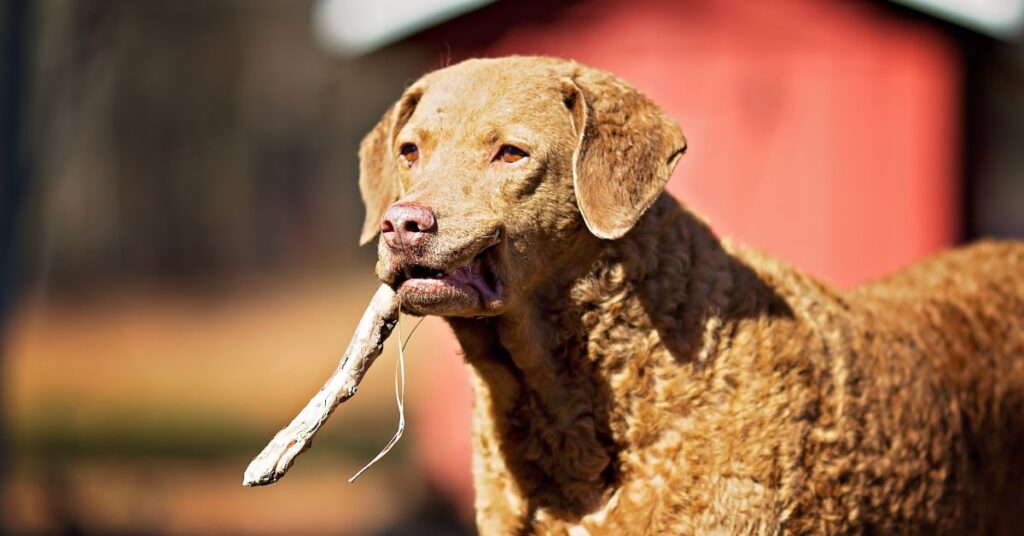
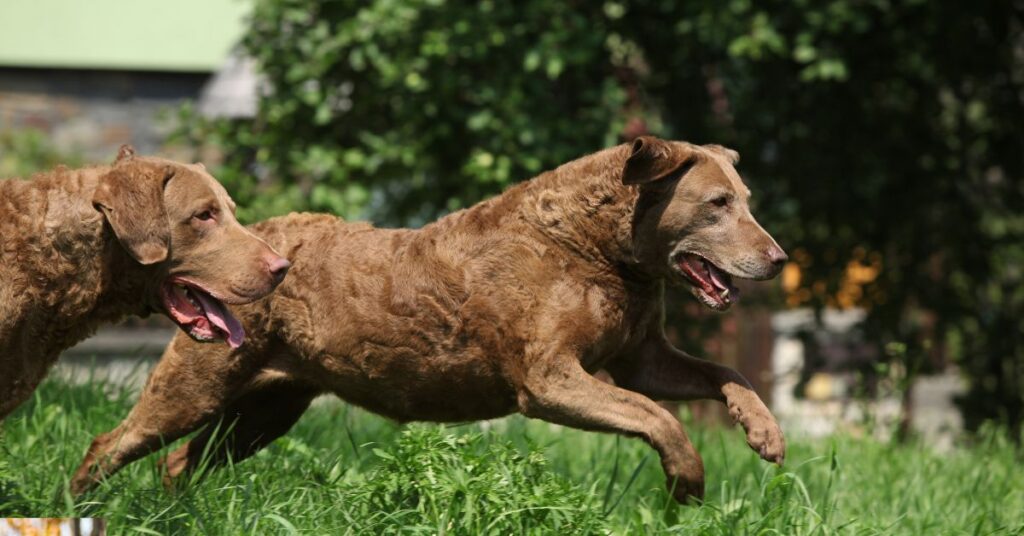
Chesapeake Bay Retrievers are medium to large-sized dogs with a strong and muscular build. They typically weigh between 55 to 80 pounds and stand about 21 to 26 inches tall at the shoulder. The breed has a dense, waterproof double coat that is short and wavy, providing protection against cold water. Their coat color ranges from brown to sedge to deadgrass. Chesapeake Bay Retrievers have a broad head with a short muzzle, amber-colored eyes, and a thick, tapering tail. Their appearance exudes strength, endurance, and alertness.
Temperament and Personality
Chesapeake Bay Retrievers are known for their loyal and protective nature. They are intelligent and alert dogs that form strong bonds with their owners. These dogs are confident and fearless, making them excellent guard dogs. Despite their protective instincts, Chesapeake Bay Retrievers are also affectionate and loving towards their families.
Intelligence and Trainability
Chesapeake Bay Retrievers are highly intelligent and respond well to consistent training. They enjoy learning new commands and tasks and excel in obedience training and various canine sports. Positive reinforcement techniques work best with this breed, as they can be sensitive to harsh training methods. Early socialization and training are essential to ensure they develop good behavior and manners.
Compatibility with Children and Other Pets
Chesapeake Bay Retrievers are generally good with children and other pets. Their loyal and protective nature makes them a great choice for families. They get along well with other dogs and animals, but their strong guarding instincts may require supervision around smaller pets.
Health and Nutrition
Chesapeake Bay Retrievers are generally healthy but can be prone to certain health issues such as hip dysplasia and progressive retinal atrophy. Regular veterinary check-ups and a balanced diet are essential for their well-being. Providing high-quality dog food with the right balance of protein, fats, and carbohydrates is important for maintaining their health and energy levels.

Exercise and Activity Level
Chesapeake Bay Retrievers have high energy levels and require regular exercise to stay healthy and happy. Daily walks, playtime, and mental stimulation are necessary to meet their exercise needs. They enjoy outdoor activities and excel in various canine sports such as agility, obedience, and retrieving games.
Grooming Needs
The grooming needs of Chesapeake Bay Retrievers are low. Their short coat requires occasional brushing to remove loose hair and keep their coat healthy. Routine maintenance such as dental care, ear cleaning, and nail trimming is also important for their overall well-being.
Training and Socialization
Early socialization and consistent training are crucial for Chesapeake Bay Retrievers. Exposure to different people, environments, and experiences helps them develop into well-adjusted adults. Training should focus on positive reinforcement techniques and establishing clear boundaries.
Famous Chesapeake Bay Retrievers
Chesapeake Bay Retrievers have gained fame through their roles as hunting dogs and loyal family companions. Their strength, endurance, and love of water have made them popular among dog enthusiasts and hunters.
Conclusion
The Chesapeake Bay Retriever is a loyal, intelligent, and alert breed that makes an excellent companion for active families and individuals. With proper training, socialization, and care, a Chesapeake Bay Retriever can be a loving and devoted member of the family.