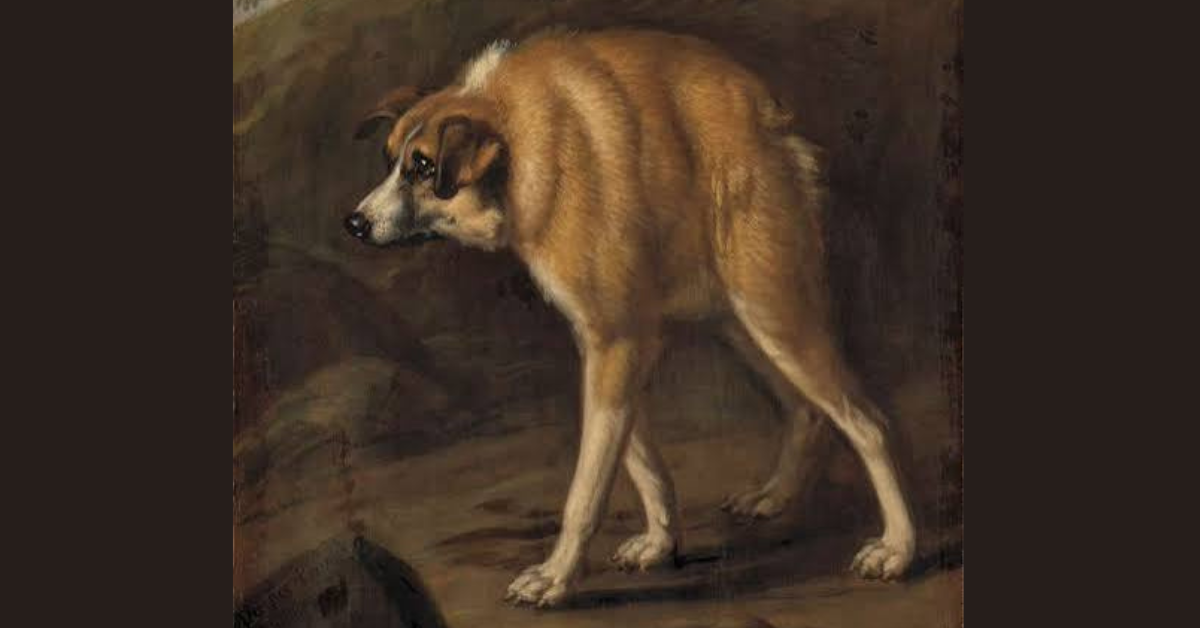
Short Spine Syndrome (SSS) is one of the rarest congenital conditions found in dogs. Dogs born with this condition have a compressed spine caused by fused or shortened vertebrae, giving them a very short neck and compact body. Despite their unusual appearance, many dogs with short spine syndrome are happy, playful, and capable of living fulfilling lives with proper care.
What Causes Short Spine Syndrome?
Short spine syndrome is present at birth and is caused by abnormal spinal development during pregnancy. It is extremely uncommon, with only a small number of documented cases worldwide. Because the condition is so rare, researchers are still learning about its exact genetic causes.
Symptoms
Dogs with short spine syndrome may have:
- A very short or nearly absent neck
- A curved or compressed back
- Limited flexibility when turning their head
- An unusual gait or posture
- Otherwise bright, energetic personalities
The severity varies from dog to dog. Some experience mobility limitations, while others run, play, and enjoy life much like any other dog.
Caring for a Dog with Short Spine Syndrome
Most dogs with SSS benefit from:
- Maintaining a healthy weight
- Regular veterinary checkups
- Low-impact exercise
- A safe environment that minimizes jumping from high places
- Monitoring for signs of pain or arthritis as they age
Every dog is unique, so treatment and care should be tailored to their individual needs.
Jimothy the Raccoon
Interestingly, Jimothy, a raccoon living is a Seattle neighborhood, also has a form of short spine syndrome. His adorable appearance and playful personality have made him a social media favorite, helping raise awareness that animals with physical differences can still enjoy happy, enriching lives. Jimothy’s story reminds us that special needs don’t define an animal’s quality of life—they simply require a little extra understanding and care.
The Bottom Line
While short spine syndrome is incredibly rare, it doesn’t prevent many affected dogs from living joyful, loving lives. With compassionate owners and appropriate veterinary care, these remarkable dogs continue to prove that being different doesn’t mean they can’t thrive.